ONE TEAM
ONE GOAL
SAVING LIVES
Precision engineering meets certified safety. We utilize B6/B7 certified steel and multi-layered glass to ensure zero-compromise security for every vehicle.
View SpecificationsWhen a blast wave or shock event hits a polyurea-coated surface, the material undergoes a systematic step-by-step process to protect the structure and its occupants:
The underlying metal or composite may deform but is constrained by the polyurea.
Polyurea stretches elastically, absorbing energy rather than transferring it.
If the base material fractures, polyurea holds fragments together like a skin.
High elongation delays catastrophic failure, buying time for safety systems.

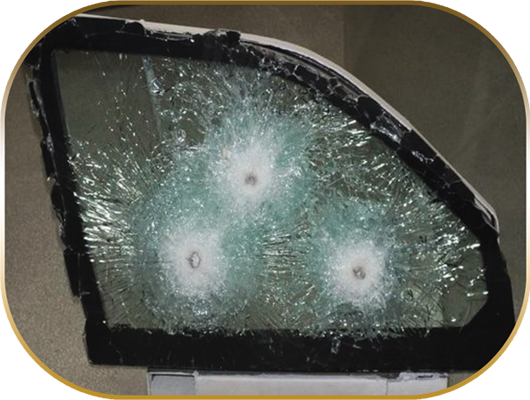
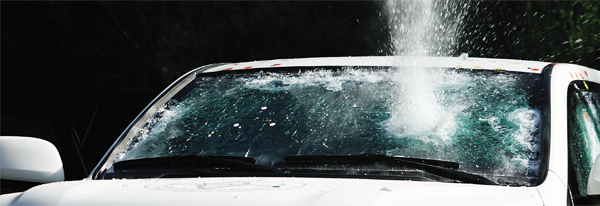
All glasses are bullet-resistant transparent armor multi-layer glass and polycarbonate inner layer to prevent fragmentation upon ballistic impact.
All ballistic glass is rated according to required protection levels with Multi-Hit Certification.
Integrated shield protecting against shattering glass for maximum safety.
Finest optical quality with minimal distortion for clear visibility.
No de-lamination or discoloration from interior UV rays.
Is image ke content ko white image ke structure mein is tarah set kiya ja sakta hai:
Comprehensive armoring solutions using ballistic grade steel and composite construction to ensure maximum protection against high-powered rifle fire and blast threats.
Passenger compartment armoring using Ballistic steel to defeat 7.62x51 rifle fire.
Floor fitted with armored Steel for blast protection against 02 DM51 grenades.
Protection for kick panels, fenders, firewall, pillars, Radiator, ECM, and Battery.
Ballistic steel frame providing overlap and backup protection for doors and windows.
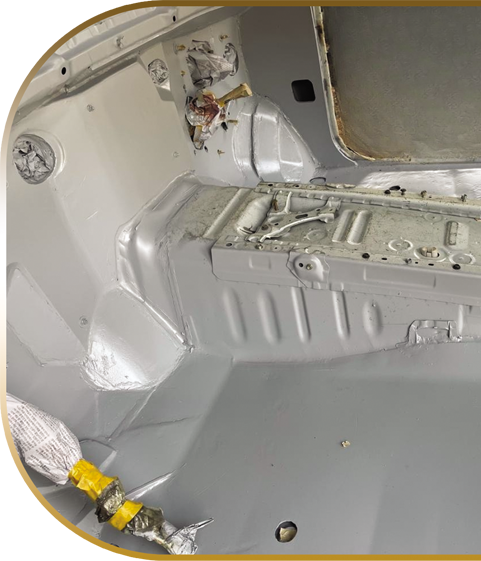
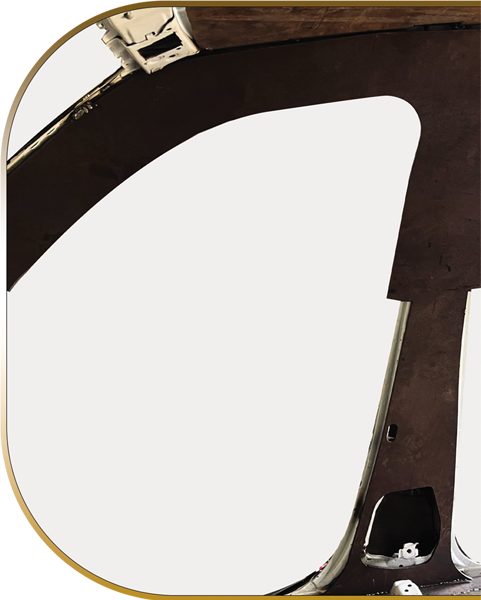
High-strength ballistic steel armoring for doors and structural pillars, specifically engineered for maximum durability, longevity, and superior occupant security.
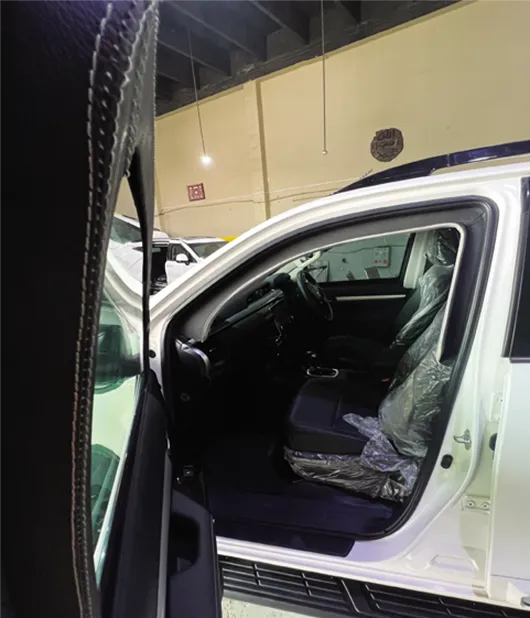
Doors, pillar posts, side panels, and firewalls armored according to defined defeat standards.
Custom-manufactured hinges for extended longevity, connected directly to the armoring steel.
Additional manual locking latches and heavy-duty travel retainers to prevent unwanted access.
All interior door panels feature heavy-duty grab handles for durability and utility.
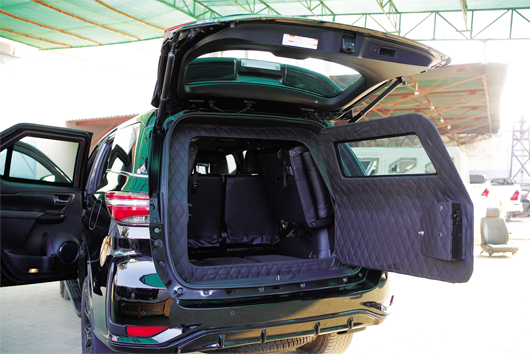
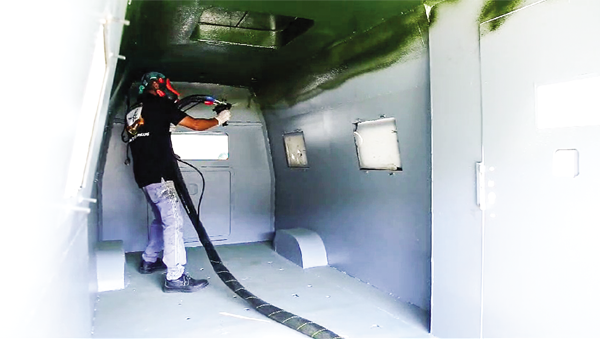
Polyurea is a two-component, spray-applied elastomer formed by the reaction of an isocyanate component and a resin blend. These properties make it ideal for absorbing dynamic loads, especially from blast and impact scenarios.
Description: Up to 600–800% elongation at break, providing extreme flexibility under stress.
Description: Sets in seconds and can be walked on within minutes, ensuring quick deployment.
Description: Tear resistance of 75–150 N/mm and tensile strength of 15–40 MPa.
Description: Remains stable and effective in temperatures ranging from -40°C to 150°C.
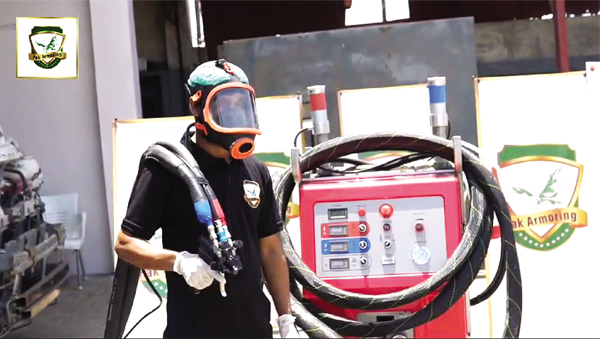
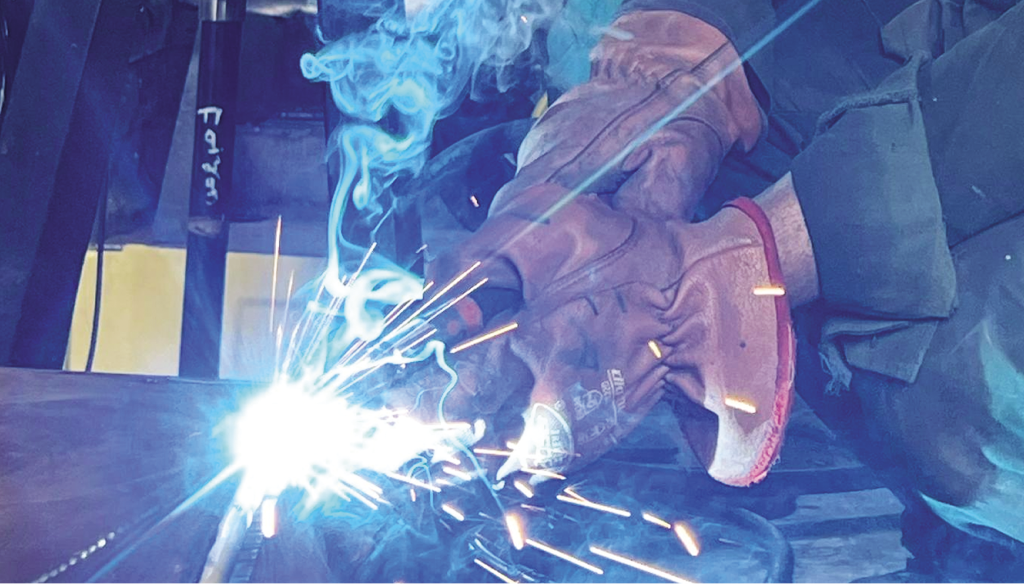
MIG welding is a high-speed arc welding process that uses a continuous, consumable wire electrode and a shielding gas (typically an Argon/CO2 mix) to create strong, clean joints. It is the industry standard for automotive repair and armoring.
A high-speed process utilizing a continuous wire electrode for rapid and precise fabrication.
Electric arc reaches temperatures between 6,000°F and 10,000°F, while the weld pool sits at 3,000°F.
Valued for its simplicity and speed, making it significantly faster than TIG or Stick welding.
Ideal for general fabrication on both high-grade steel and aluminum used in armoring.
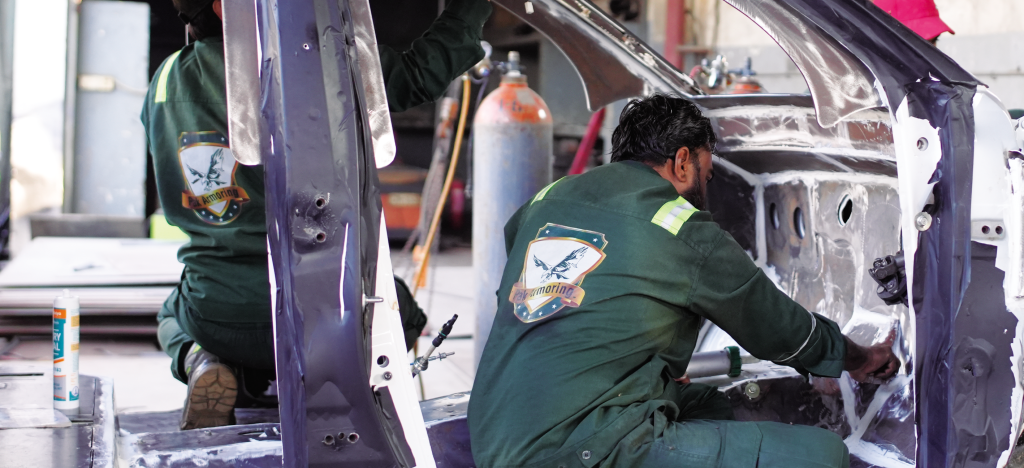
Armor overlaps are installed at all doors to prevent penetration through doorposts and pillars. Overlap is used throughout joints to prevent gaps and ensure a complete ballistic shield.
Specifically installed at all doors to prevent any penetration through vulnerable doorposts and pillars.
Overlap is used throughout all joints to prevent gaps, ensuring no weak points in the armoring
These overlaps also act as structural reinforcement to provide extra strength to the vehicle's body.
Engineered to prevent doors from collapsing inside the vehicle during a high-impact blast scenario.

Door pillars are reinforced to bear the extreme weight on hinges and accommodate the additional weight of the armored doors. This ensures structural integrity and smooth operation of the vehicle’s entry points
Heavy-duty reinforcement at the front door pillars to prevent sagging and ensure long-term hinge durability.
Central reinforcement that provides a solid base for heavy armored door hinges and center-side protection.
Structural upgrades to the rear pillars to balance the additional ballistic load of the vehicle.
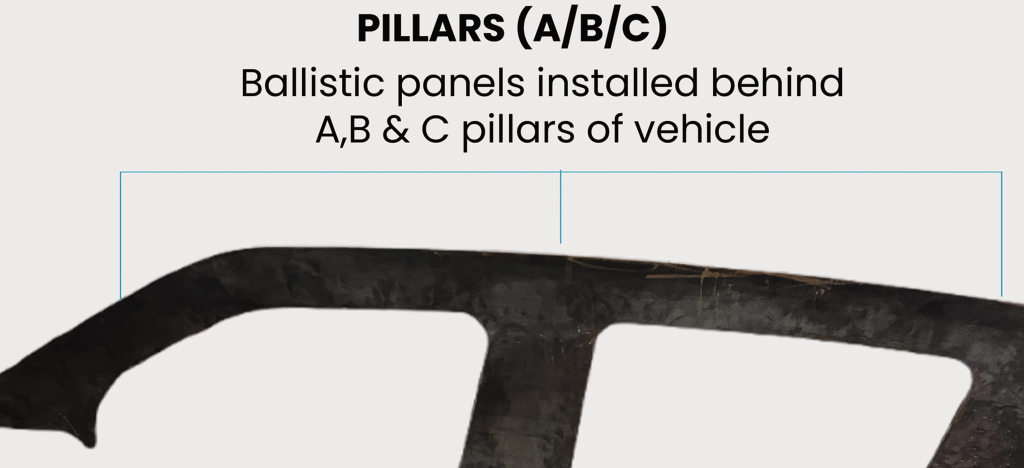
Ballistic panels are precision-installed behind all pillars to eliminate any ballistic gaps.
To ensure maximum cabin safety, armored panels are strategically integrated into the vehicle’s front structure. This process involves a complete overhaul of the dashboard area to create a seamless ballistic barrier between the engine and the occupants.
The dashboard is removed to install high-grade armored panels directly between the dashboard and the engine bay.
Specialized armor plating is fitted to offer dedicated protection to the feet and shin area of the driver and passengers.
Reinforced steel panels are installed against the firewall to prevent penetration from front-facing ballistic or blast threats.
Protection is extended to the front fenders, ensuring the entire front section of the passenger compartment is secure.
Entire floor of the vehicle is armored with a rigid ballistic steel to protect against the level of protection required. This ensures comprehensive coverage against under-vehicle blast threats while maintaining structural integrity.
The entire floor area is reinforced with high-grade, rigid ballistic steel for maximum safety.
Armor is strategically concealed under the carpet and seats to maintain the original factory appearance of the vehicle.
Specifically engineered to meet and exceed the required ballistic and blast protection levels.
Designed to fit perfectly within the cabin floor frame without compromising passenger space or comfort.
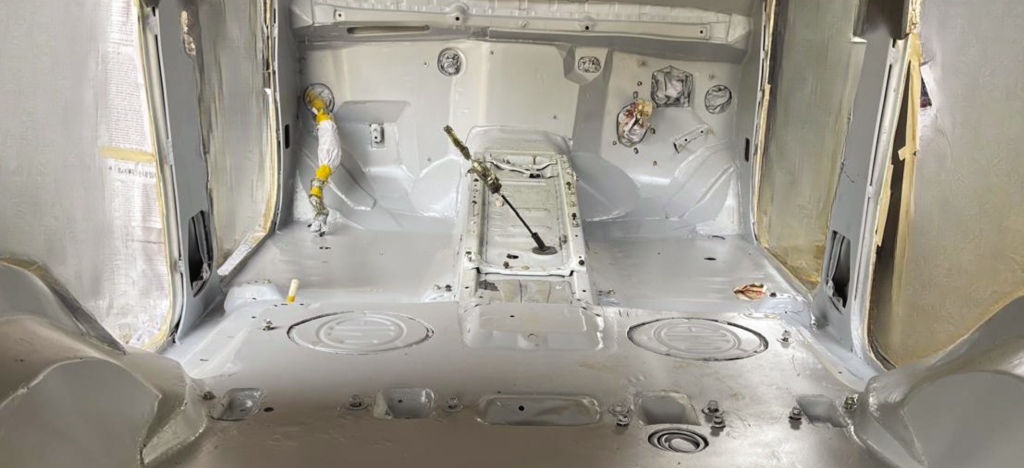
All electrical equipment’s are modified as necessary to protect against the armoring process and tested for any defects. This ensures that the vehicle’s electrical integrity remains intact despite the heavy structural modifications
All electrical equipment is modified as necessary to protect it during the complex armoring process.
Every electrical component and connection is thoroughly tested for any defects to ensure 100% reliability.
Any additional or optional electric equipment installed on the vehicle is individually fused for maximum safety.
All wires are professionally loomed and clearly marked, following strict vehicle safety standards.
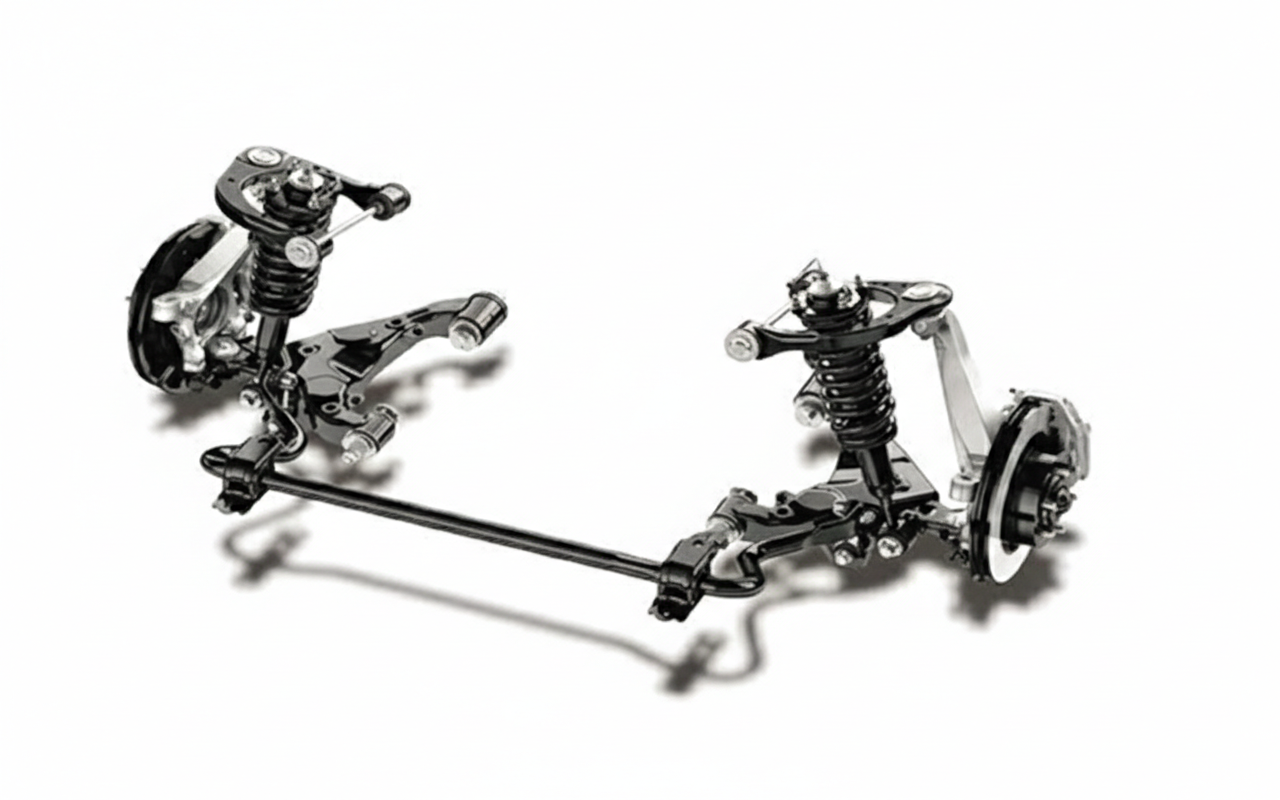
Specialized heavy-duty suspension systems are installed to compensate for the additional weight of the armored vehicle. This ensures optimal handling, stability, and passenger comfort under high-load conditions.
Heavy-duty shocks and coil springs are installed in the front to manage the engine and front armor weight.
Heavy-duty leaf springs with reinforced shocks at the back for maximum weight support.
Components are specially made to maintain the vehicle's balance and prevent sagging after armoring.
Every part is engineered to endure the extreme stress and rigorous demands of armored vehicle operations.
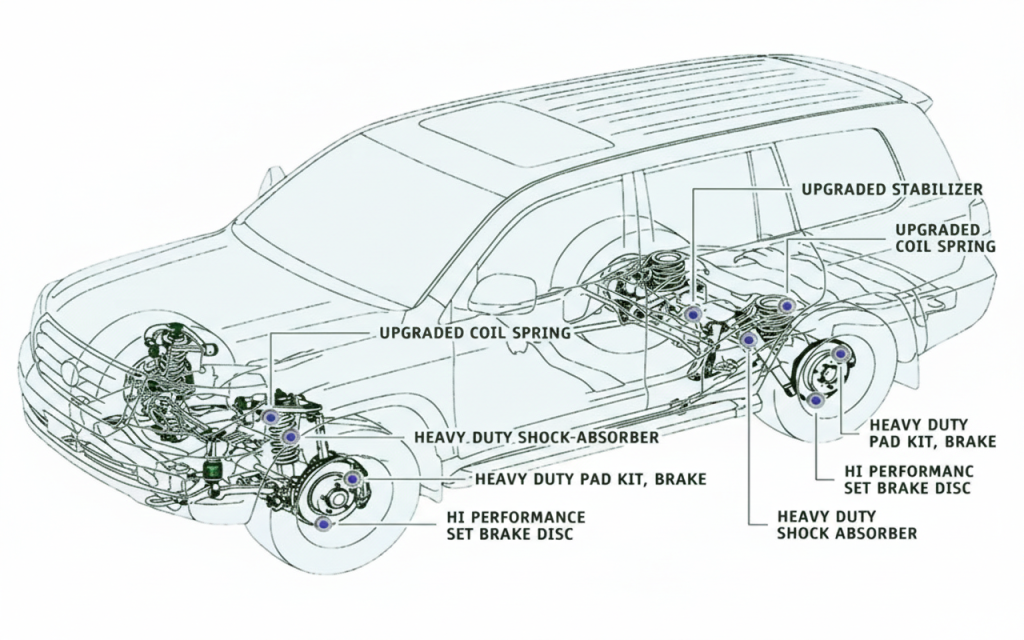
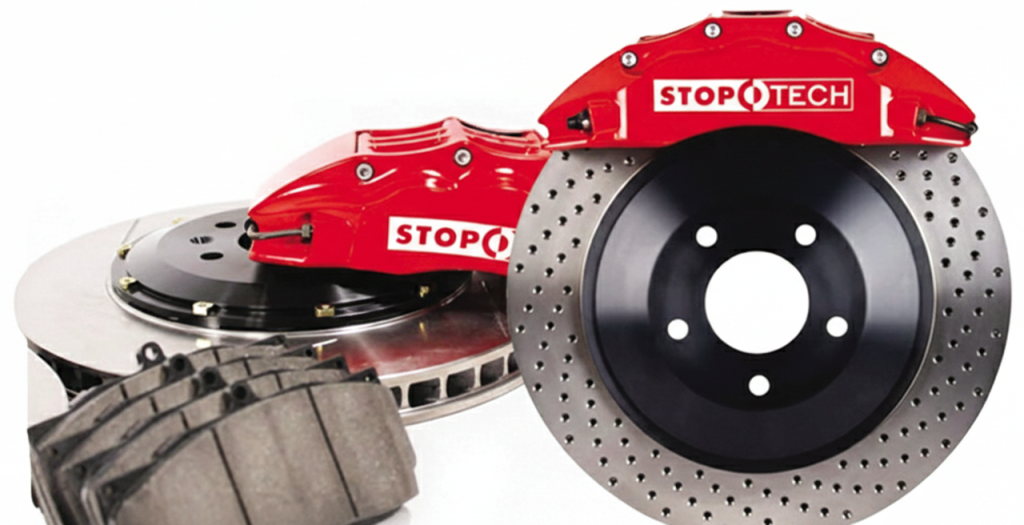
To ensure maximum safety and control for the increased weight of an armored vehicle, the braking system is upgraded with specialized high-performance components designed for extreme conditions.
Specifically manufactured for armored vehicles to provide superior stopping power and durability.
Advanced ceramic pads are installed to withstand the excessive temperatures generated during braking
Engineered to prevent brake fade by efficiently dissipating heat under high-load tactical scenarios.
Modified system ensures the vehicle can come to a safe and immediate stop despite the additional ballistic weight.